UN GIAHS · National Intangible Cultural Heritage of China
Fuzhou Jasmine Teaa living heritage
福州茉莉花茶
For more than a thousand years, one city on the Min River has practised a craft that
adds no flavouring, no oil, no essence to tea. It lends the leaf nothing but
the breath of a flower that opens only after dark — repeated across four nights, or six, or nine,
until the fragrance belongs to the tea itself.
Teamaster May is exacting about tea. After tasting Fuzhou's authentic, intangible-heritage jasmine tea — scented seven to nine times over — she came to deeply admire and respect this century-old house's culture, integrity and craft, and chose to bring it to you.
The national first-grade standard for jasmine tea is four scentings; Teamaster May selects seven- to nine-scenting treasures — finer, more layered, a cut above what is commonly found. She shares it out of a wish to educate and to carry this living tea culture to Hong Kong and the world.
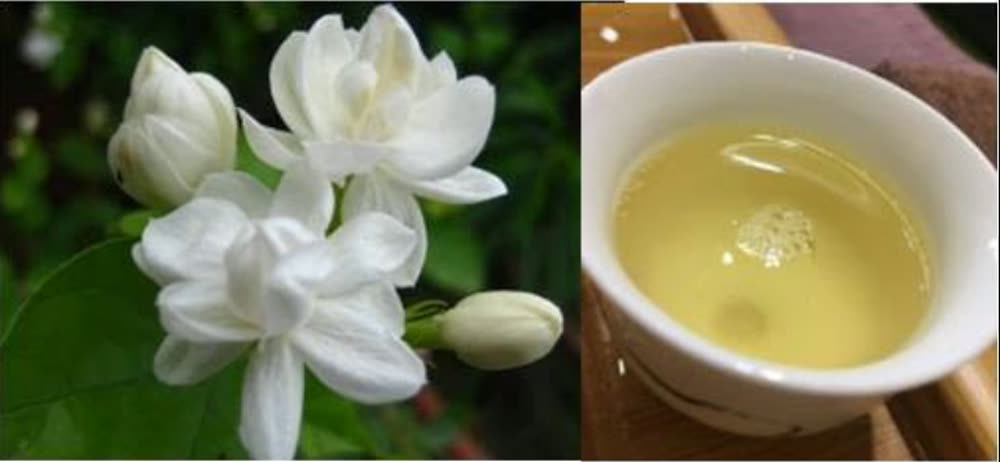
FragrantFresh, full fragrance and a sweet, returning finish — "you taste the tea, not the flower".
Travels wellSo fragrant it brews clear and lovely even in the hard water common overseas.
VersatileMix it with milk, cold brew, specialty drinks and more — endlessly playful.
WellnessOn a green-tea base; traditionally used to regulate qi, soothe the mind, aid digestion and nourish the skin.
RelaxingA cup of jasmine to unwind — a small, everyday joy.
Few really know · 很少人真正知道
What is scented tea? What is jasmine tea?什麼是花茶 · 什麼是茉莉花茶
花茶 · Scented tea
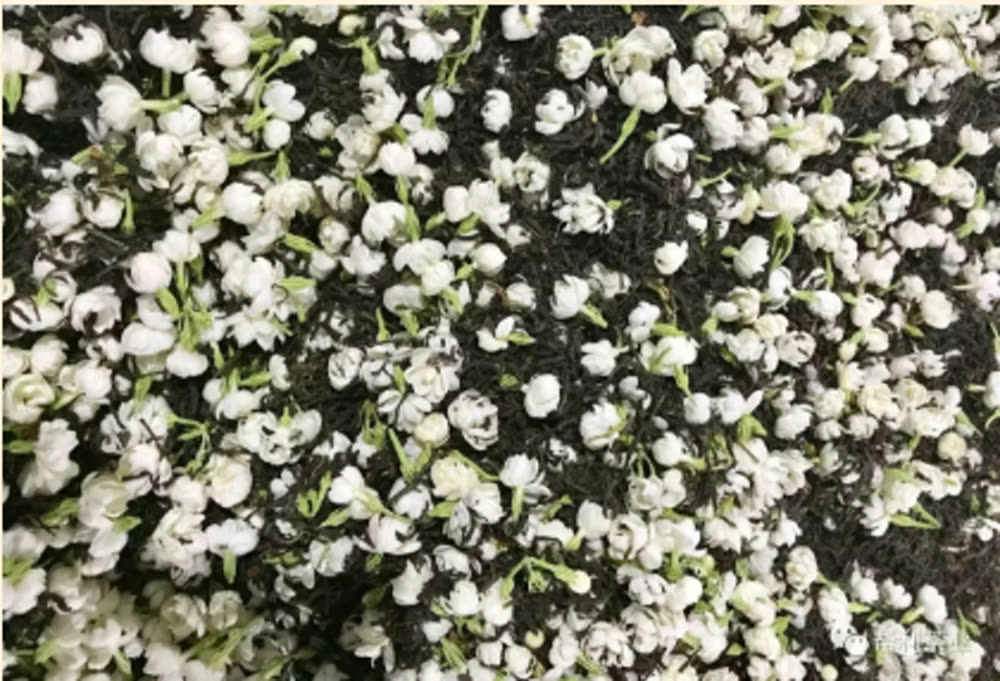
Scented tea (窨花茶) uses the leaf's gift for absorbing aroma: fresh fragrant blossoms and new tea are laid together so the tea drinks in the scent, then the spent flowers are sieved away. What remains is tea — carrying a fragrance it did not have before.
茉莉香片 · Jasmine tea
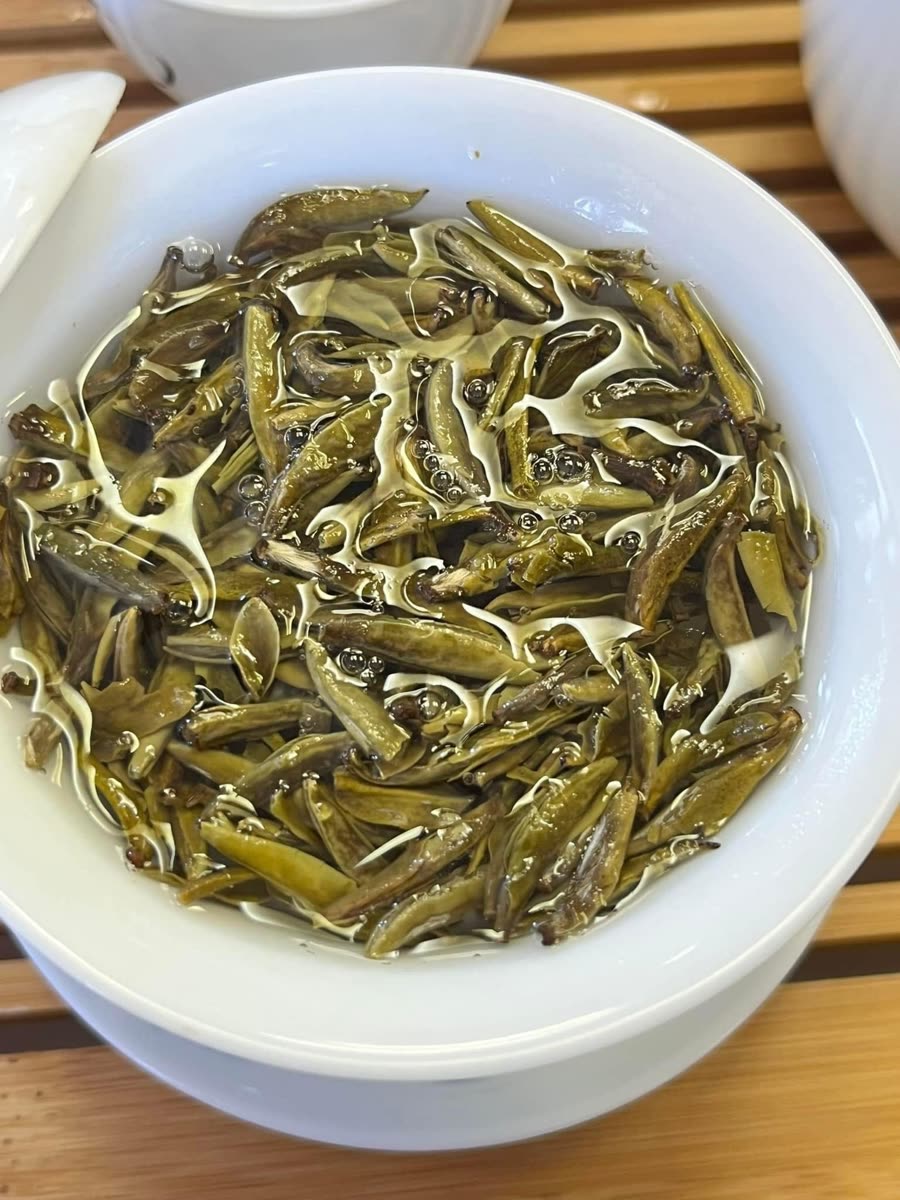
Jasmine tea, also called "jasmine xiangpian", is praised as the tea "in which you can smell spring". Its base leaf (the 茶胚) is most often green tea — occasionally white, black or oolong.
窨 · The art of scenting
"窨" is the two-way exchange of flower and leaf — the jasmine gives its scent, the tea receives it. The highest art is "you smell the flower but see none": the more scenting rounds, the richer the aroma. The national first grade is four; we select seven to nine.
Why it matters · 為什麼重要
World-recognised heritage國際殿堂級認證
Not just good tea — a craft recognised by the United Nations and China as living cultural heritage.
2014
Globally Important Agricultural Heritage System
全球重要農業文化遺產
The Food and Agriculture Organization of the United Nations designated the
Jasmine and Tea Culture System of Fuzhou City as globally important — recognising a
landscape where jasmine grows on the riverbanks and tea on the mountains above,
farmed together for centuries.
FAO · United Nations
2014
National Intangible Cultural Heritage
國家級非物質文化遺產
The Fuzhou jasmine tea scenting technique entered China's national list of intangible
cultural heritage in the fourth batch, under traditional craftsmanship — protecting the
method itself, not merely the product it makes.
People's Republic of China
2022
UNESCO Representative List
聯合國教科文組織代表名錄
Traditional tea processing techniques and their associated social practices in China were
inscribed by UNESCO. Jasmine scenting sits within that wider body of craft knowledge as
one of its re-processing traditions.
UNESCO · Intangible Cultural Heritage
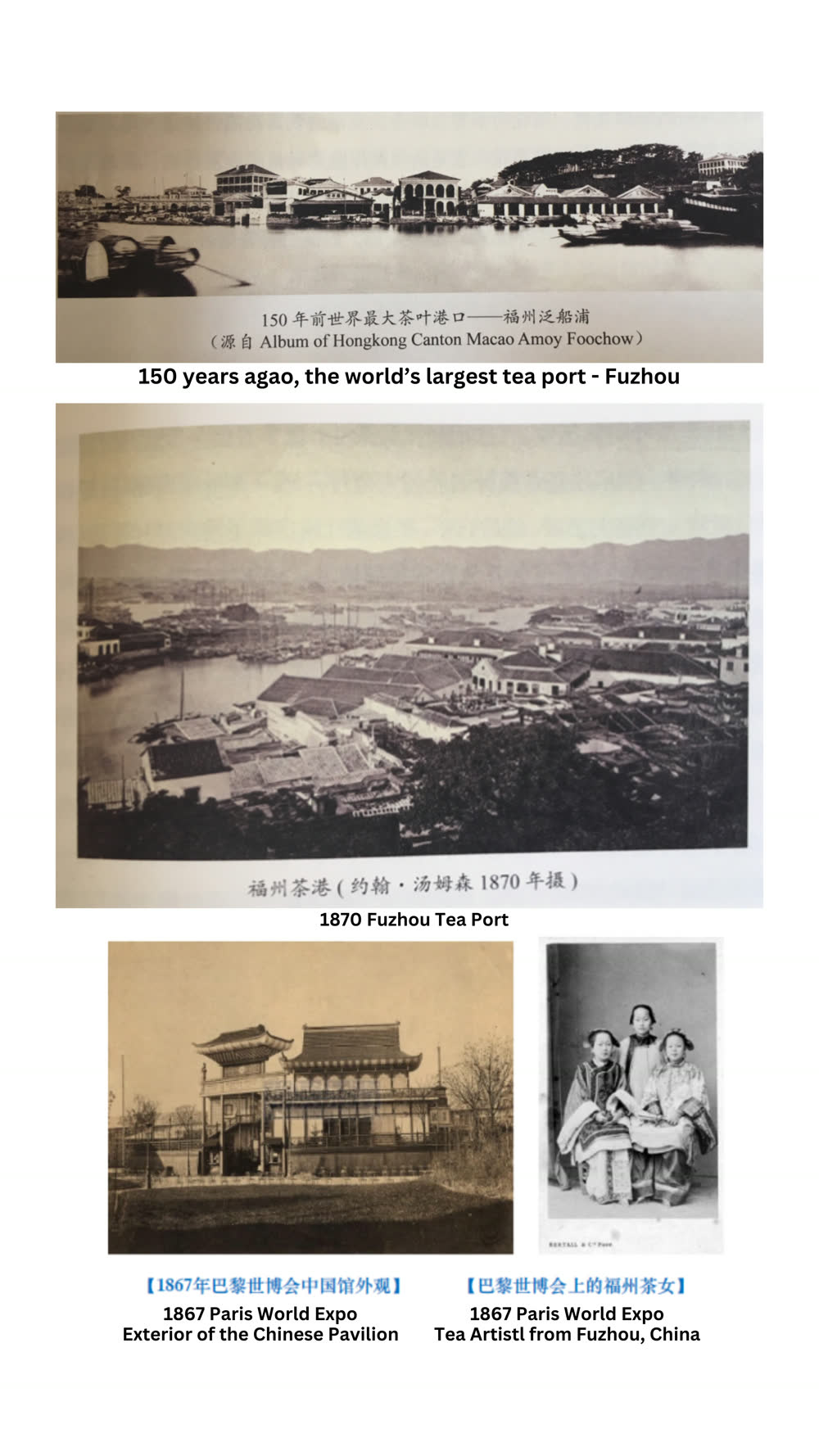
百年前,福州曾是世界最大的茶葉港口150 years ago, Fuzhou was one of the world's largest tea ports — its jasmine tea reached the 1867 Paris World Expo. (Historical photographs, c.1870.)
A flavoured tea has something added to it. A scented tea has something
lent to it. In Fuzhou, fresh jasmine buds are laid in among dried green tea leaves
and left together through the night. The leaf is porous and thirsty; it draws in the
fragrance the living flower releases as it opens.
By morning the spent flowers are screened out and thrown away. What remains is tea —
only tea — carrying an aroma it did not have the day before. Then the tea is dried, and
the whole night begins again with a fresh harvest. Each repetition is one 窨. The number
of repetitions is the grade.
“見茶不見花”
You see the tea, not the flower — the classical standard for the finest grades
窨
yìn · to scentA character built for this craft alone: to store something away in the dark so that it takes on a fragrance.
Terroir · 閩江兩岸
Two crops, two altitudes花在水邊 · 茶在山上
Jasmine wants heat, sand and moving water; tea wants mist, acidity and height. Fuzhou has
both within sight of each other — jasmine on the warm sandy flats of the Min River, tea on
the hills that rise behind them. The UN cited exactly this stacked landscape when it
recognised the system.
2000+ yrs
Of jasmine tea culture in the region
千年花茶之鄉
4–9
Rounds of scenting define the grade
四窨至九窨
1night
Each round takes a full night, start to finish
一窨一夜
0
Flowers left in the finished tea
見茶不見花
One Round · 一窨一夜
The night of a scenting採花 · 養花 · 窨花 · 通花 · 起花 · 烘焙
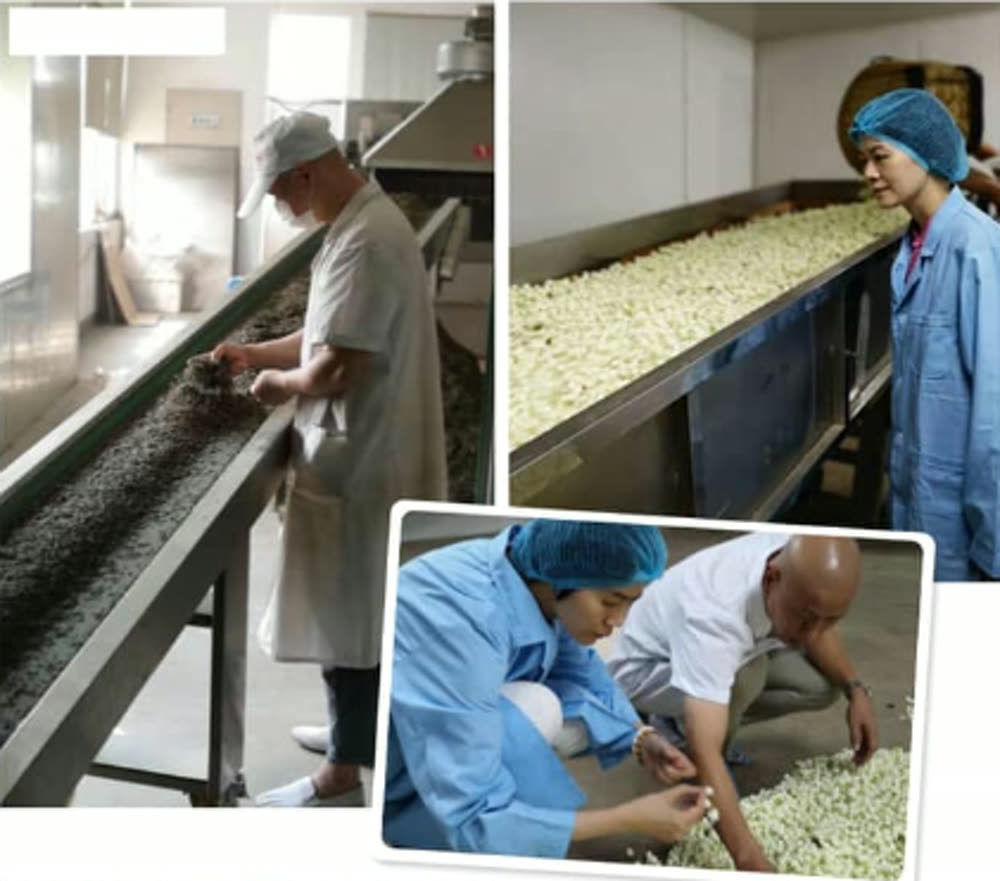
Jasmine will not be hurried. The buds are picked in the day's greatest heat and open only
after dusk, which means the entire craft is nocturnal. This is one round — a single 窨 — and
the highest grades repeat it nine times.
14:00採花Picking
Buds are gathered in the hottest part of the afternoon, when they are swollen and white
but still closed. A flower picked too early will never open properly; one picked too late
has already spent its fragrance on the field.
18:00養花Holding
The harvest is spread out and kept cool, waiting. As the light goes, the buds begin to
split. The maker judges by scent and by sound when the field is ready.
The flowers set the schedule, not the clock
20:00窨花 · 拌和Layering
Tea and opening flowers are folded together and banked into a pile. Nothing is added.
The dried leaf is porous and dry; the flower is alive and wet with perfume. For the next
several hours, one gives and the other takes.
23:00通花Venting
The pile warms itself — thousands of flowers respiring generate real heat. Left alone it
would stew and sour. The maker opens the bank, spreads it, lets the heat escape, then
gathers it back. This is the moment that separates a master from a novice.
Judged by hand temperature, not by thermometer
04:00起花Separating
The spent flowers are sieved out and discarded. They have nothing left to give, and left
in place they would turn the tea grassy and dull. Every round uses a completely fresh harvest.
06:00烘焙Drying
The tea, now damp from the flowers, is dried back down so it will keep — and so it is
thirsty again, ready to receive more. Over-dry it and the aroma is scorched away; under-dry
it and the tea will not survive the year.
復窨
Then it begins again. A new day's flowers,
a new night, the same tea. Four times for an everyday cup. Nine times for the master grades —
nine harvests and nine sleepless nights invested in a single batch of leaves.
The Grading · 窨製九重
Count the nights, and you know the tea四窨 · 五窨 · 六窨 · 七窨 · 八窨 · 玖窨
There is no clearer grading system in Chinese tea. The number in the name is the number of
times the leaf was scented — and each repetition costs another harvest, another night, another
chance to ruin the batch. Select a level to see what it becomes.
四
—
—
—
—
Scenting rounds 窨次
—
Grade name 等級
—
Flower-to-tea 花茶之比
—
In the cup 口感
—
Aroma depth 香氣層次—
The Collection · 大經茶莊
Seven teas, one craft由肆窨至玖窨
A single house range read as a ladder: the same Fuzhou craft carried from four rounds of
scenting up to nine, from an everyday 100g bag to a 48g box of master grade.
款式與數量視乎每季供應;價格、供貨及由福州來港的順豐速運費用,請 WhatsApp 查詢報價。
Tasting & Culture Class · 茶藝活動
Taste it, learn it茉莉花茶文化與品鑑
Two ways to join — the regular class you can book anytime, or an occasional special session by invitation. Choose whichever suits you.
Regular class · 日常班
Jasmine Tea Appreciation (A13)
Our regular Jasmine Tea Culture & Appreciation class — the Fuzhou scenting craft, reading the grades from four to nine, hands-on brewing and a guided tasting.
🗓️ Flexible dates — arranged with you after enrolment
Jasmine tea is built on a green tea base, so boiling water is the one real mistake — it
scalds the leaf, turns the cup bitter and drives off the aroma the maker spent nine nights
building. Keep the water below the boil and the fragrance stays in the cup.
Glass or porcelain gaiwan
蓋碗沖泡
Water
85 °C — well off the boil
Leaf
1 sachet (4 g) · about 150 ml
First
40–50 seconds
Then
Add a little time each round — keep brewing until the flavour fades
Lift the lid and smell it before you drink. In a high-scented tea the aroma arrives before the liquor does.
Tall glass, leaves loose
玻璃杯直泡
Water
80–85 °C
Leaf
1 sachet (4 g) · about 200 ml
Method
Pour a third, wait, then fill
Top up
Refill at a third remaining
The everyday Fuzhou way, and the honest one — you watch the leaves open and judge them yourself.
Cold brew, overnight
冷泡法
Water
Cold, filtered
Leaf
1 sachet (4 g) · 400–500 ml
Time
4–8 hours, refrigerated
Result
Sweet, no astringency
Cold water takes the fragrance and leaves the tannin behind. Unfashionable among purists; excellent in a Hong Kong summer.
Judging Quality · 品鑑
鮮靈
Alive
The aroma should arrive bright and immediate, like a flower in the room — not sweet and heavy like perfume. Heaviness usually means additive, not scenting.
濃厚
Full
Fragrance should have body and stay through several infusions. A tea that smells wonderful dry and vanishes by the second cup was scented too few times.
純正
Clean
Jasmine and nothing else. No hay, no smoke, no sourness from a pile that overheated during 通花.
回甘
Returning
Swallow, then wait. A well-made scented tea leaves a cool sweetness rising at the back of the throat well after the cup is down.
見茶不見花
You see the tea, not the flower
Every jasmine blossom used in a Fuzhou scenting is thrown away. Nothing decorative survives
into the tin — no petals, no colour, no proof. All that is left is a dried green leaf that
smells impossibly of a summer night, and a craft that only works because generations of
makers agreed to stay awake.
Heritage designations — sources
Jasmine and Tea Culture System of Fuzhou City, designated a Globally Important Agricultural
Heritage System in 2014 — FAO GIAHS;
announcement of the 2014 designations — FAO Newsroom,
UN News.
Fuzhou jasmine tea scenting technique, recognised in the fourth batch of national-level
intangible cultural heritage under traditional craftsmanship —
Fujian Provincial People's Government.
Traditional tea processing techniques and associated social practices in China, inscribed on
the UNESCO Representative List of the Intangible Cultural Heritage of Humanity in 2022 —
UNESCO ICH.
Product names, scenting levels and grade terminology follow the Da Jing Tea House (大經茶莊)
bilingual reference for its Fuzhou jasmine range.
Content describing the designations was rephrased for compliance with licensing
restrictions. Craft descriptions reflect the traditional 窨製 process; brewing parameters are
general guidance and should be adjusted to each tea.